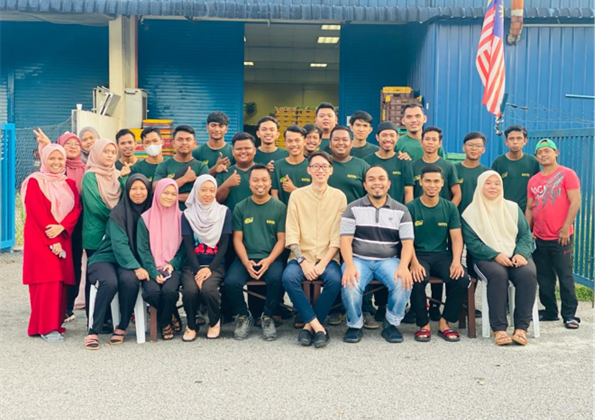
My name is Luiz, and I am the founder of Sumo Wonder.
To explain how Sumo Wonder began, I first have to share a little bit about where I came from.
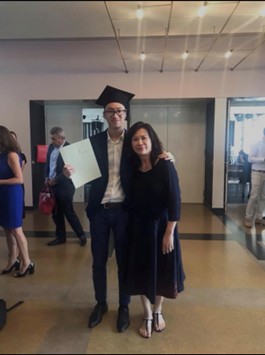
After completing my Bachelor’s Degree, I worked for a short while before continuing my Master’s in Architecture in Dessau, Germany. I spent two years there, learning not only about buildings and design, but also about structure, function, purpose, and the way small details can shape how people live.
I was born and raised in Kota Kinabalu, Sabah, where I spent the first 17 years of my life. After finishing high school, I moved to Kuala Lumpur to study architecture. At that point, I thought my path was already quite clear. Like many architecture students, the natural next step was to continue in the field, complete my studies, work under established firms, and eventually pursue the long journey toward becoming a licensed architect.
Architecture taught me to look at things differently.
It taught me that good design is not only about appearance. It is about solving problems. It is about understanding how materials work, how people use spaces, and how every decision should have a reason behind it.
At the time, I did not know that this way of thinking would one day lead me into bread.
An Unexpected Turn
When I returned to Malaysia after completing my Master’s, I was not fully sure what I wanted to do next.
One path was expected: return to architecture, continue practicing, and slowly build my way toward becoming an architect.
The other path was completely unexpected: move to Gurun, Kedah, to help my cousin set up a factory making burger buns.
I chose the path I never imagined I would take.
That decision changed a lot for me.
I spent five years in Gurun, learning the realities of running a food business. It was not easy. Every day came with different challenges — production issues, operations, people, costs, consistency, and the pressure of making things work at scale.
But looking back, I am grateful for that experience.
It taught me that business is not just about having a good idea. It is about discipline, problem-solving, patience, and learning how to keep going even when things do not go according to plan.
Without those five years, Sumo Wonder probably would not exist today.
The A-HA Moment
After my time in Kedah, I returned to Sabah for a short while to help with my father’s tofu skin business.
That was when I noticed something that would eventually become the beginning of Sumo Wonder.
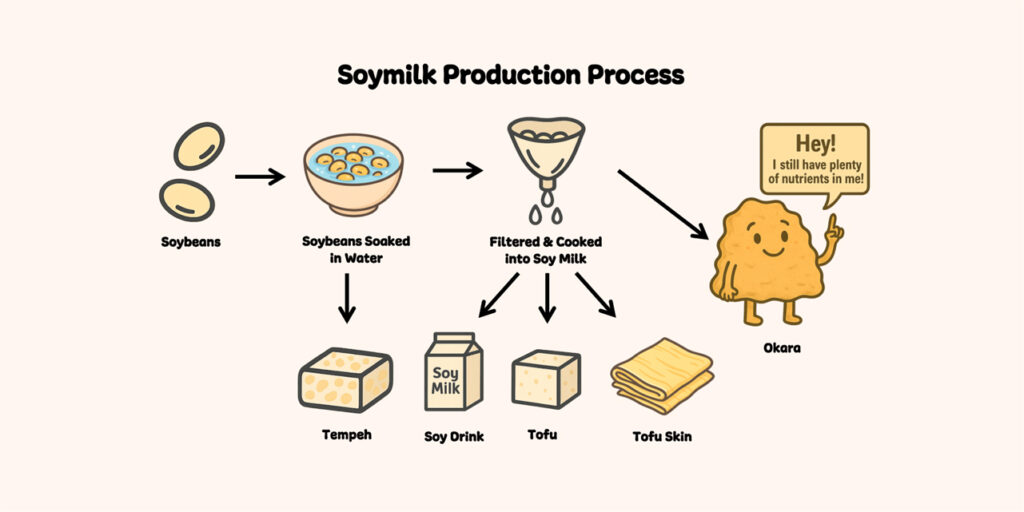
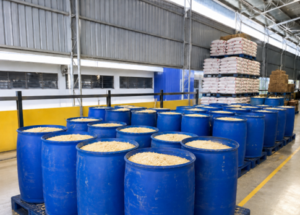
During the tofu skin production process, a large amount of soy pulp was produced. Most of the time, this soy pulp was either fed to animals or thrown away.
To many people, it was just a by-product.
But I kept thinking: “What if this could become something more?”
Coming from an architecture background, I was trained to look at materials differently. Coming from five years in a bread factory, I had also learned how food production worked. When those two experiences came together, I started wondering if soy pulp could be transformed into something edible, useful, and easy for people to enjoy.
That was the A-HA moment.
What if soy pulp could be turned into powder and incorporated into bread?
From Failed Loaves to Sumo Wonder
Of course, the idea was much easier to imagine than to execute.
The early attempts were far from perfect. There were many failed loaves. Some were too dense. Some did not taste right. Some were simply not good enough to be served.
But each failure taught me something.
Slowly, through testing, adjusting, and trying again, the idea started to work. The soy pulp could be processed into a usable form. It could be added into bread. It could become part of a product that was familiar, practical, and meaningful.
That ingredient is what we now call okara, or soy fibre.
To me, okara is more than just an ingredient. It represents the belief that value is not always obvious at first glance. Sometimes, something meaningful is hidden in what people usually overlook.
Why Bread?
Bread felt like the right place to begin because it is part of everyday life.
It is simple. It is familiar. It is something many people already eat at home, at work, or on the go.
I did not want the idea of sustainability or better nutrition to feel complicated. I wanted it to be something people could understand easily — something they could experience through a food they already knew.
That is why Sumo Wonder started with bread.
By using okara in bread, we could take an overlooked ingredient and give it a new purpose. We could also show that everyday food can be reimagined with more thought behind it.
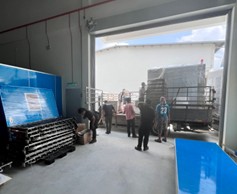
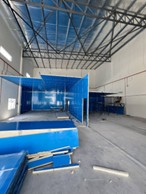
To me, that is what Sumo Wonder is really about.
It is not just about creating another loaf of bread. It is about asking better questions:
Can we make better use of what already exists?
Can we reduce what is unnecessarily wasted?
Can we make food that is familiar, but also more meaningful?
Seeing Value in What Others Overlook
Looking back, Sumo Wonder is a combination of many parts of my journey.
It carries the design thinking I learned from architecture.
It carries the production experience I gained in Kedah.
It carries the connection to soy from my family’s tofu skin business in Sabah.
And most importantly, it carries the belief that overlooked things can still hold great potential.
That belief is at the heart of Sumo Wonder.
Okara reminded me that innovation does not always have to start with something completely new. Sometimes, it starts by looking again at something that has been there all along.
Something simple.
Something familiar.
Something almost left behind.
Sumo Wonder began because of that idea.
And today, every loaf we make carries the same message that: food can be made with more thought, more purpose, and more respect for the resources around us.
Because sometimes, the most meaningful ideas do not begin with what everyone already values.
Sometimes, they begin with what people almost forget to see.